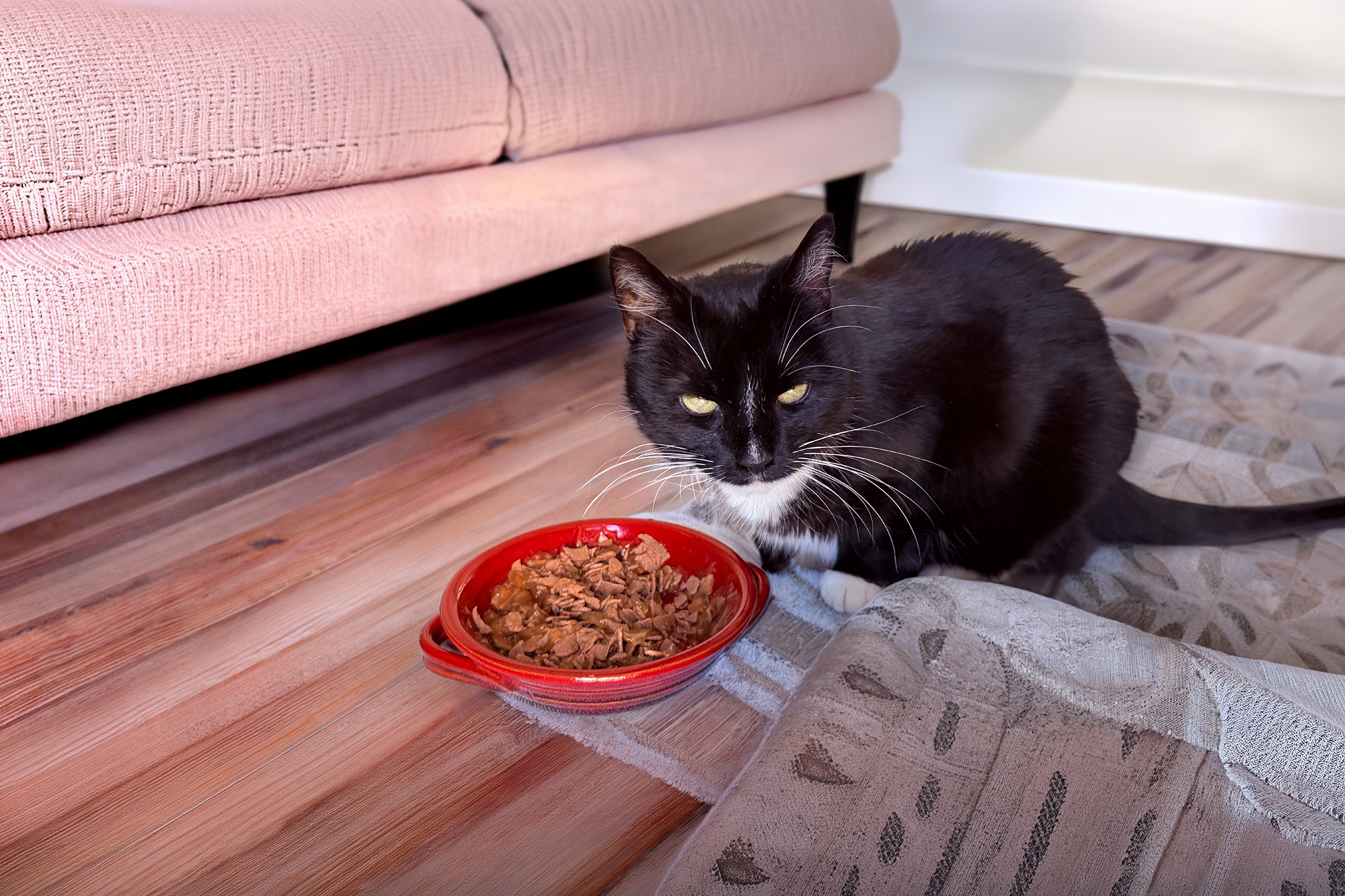
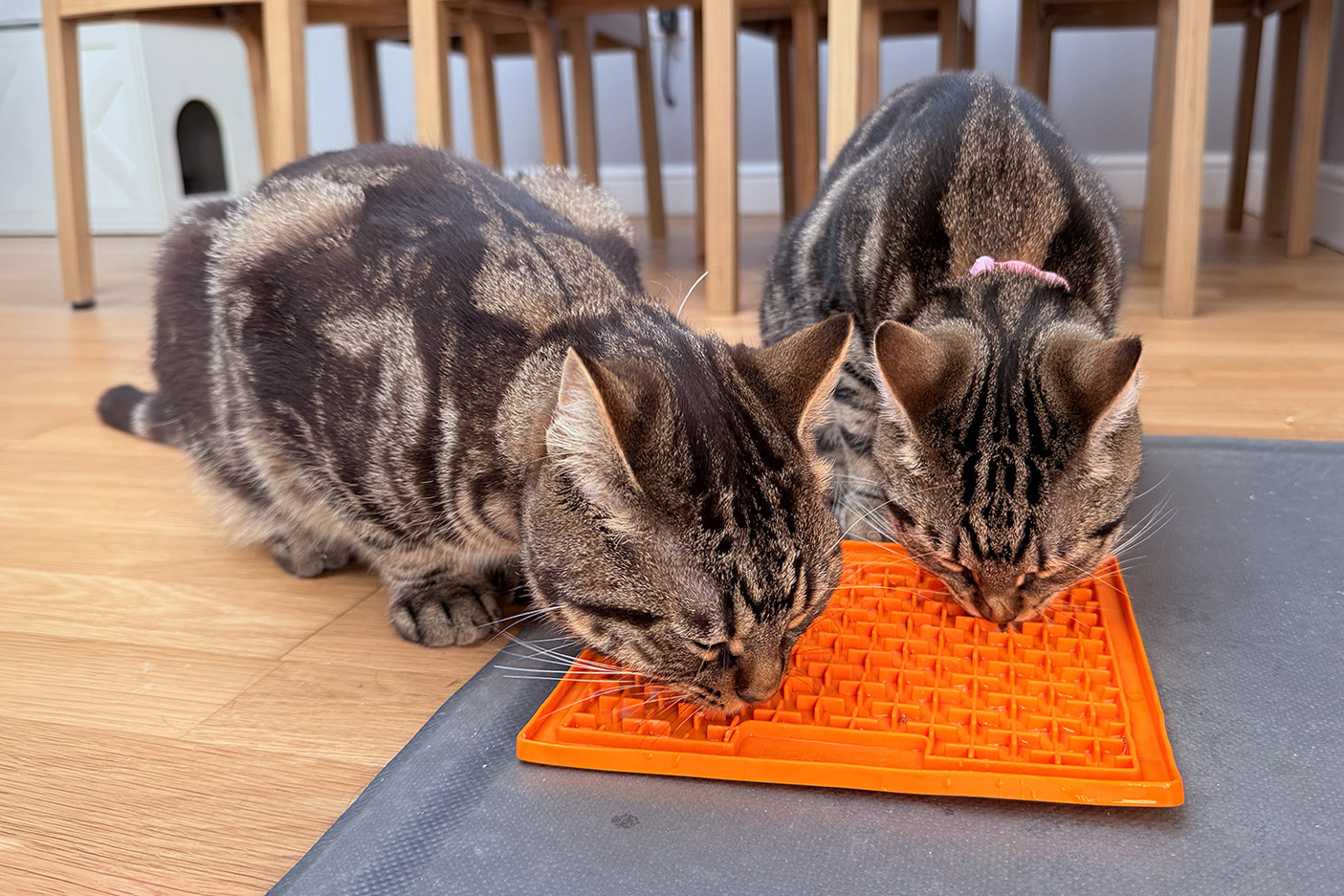
If your cat is not eating or has suddenly lost their appetite, it can be worrying for any owner. A healthy appetite is one of the clearest signs of a cat’s wellbeing, so when eating habits change, it is important to pay attention. In veterinary medicine, this condition is known as anorexia, which simply means a loss of appetite or refusal to eat. Although the word may sound similar to the human eating disorder, in cats it refers only to a reduced appetite or not eating at all.
Because cats are particularly sensitive to changes in food intake, a loss of appetite should never be ignored. While stress or minor issues can sometimes affect eating habits, it may also be a sign that something is wrong. If your cat stops eating, it is always safest to take the change seriously and consult your veterinarian.
Why Appetite Is So Important in Cats
Unlike many other animals, cats can develop serious health problems if they stop eating for even a short period of time. When a cat does not eat enough, the body begins to use fat stores for energy. In some cases, this can lead to a dangerous condition called Hepatic Lipidosis, also known as fatty liver disease. This condition can develop within just a few days of not eating and may require urgent veterinary treatment. Because of this risk, any sudden loss of appetite should be taken seriously. In many cases, anorexia in cats is not a disease itself but a symptom of an underlying issue.
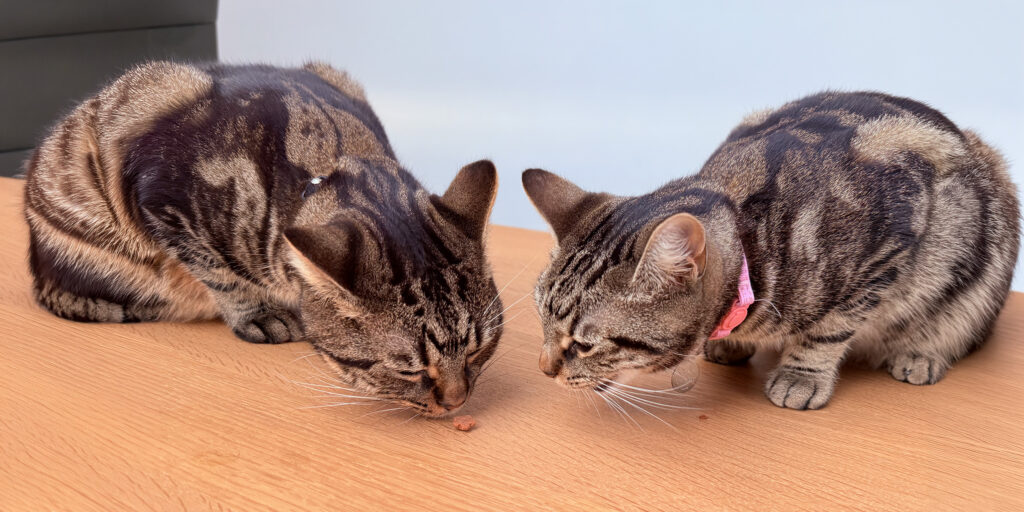
Common Reasons Cats Stop Eating
There are many possible reasons why a cat may lose interest in food. These can generally be divided into medical, environmental, or food-related causes.
Medical Causes
Loss of appetite is often linked to an underlying health condition. Because many illnesses affect appetite, a sudden change in eating habits is often one of the first signs that something may be wrong. Some common medical causes include:
- Dental pain or mouth infections
- Digestive problems
- Kidney disease
- Fever or infection
- Pain or injury
- Nausea or vomiting
Stress or Environmental Changes
Cats are sensitive animals and may stop eating when they feel stressed or unsettled. Even small changes in a cat’s environment can sometimes affect their appetite. Common triggers include:
- Moving house
- Changes in routine
- A new pet or family member
- Loud environments or construction noise
- Changes to feeding location
Food-Related Causes
Sometimes the issue is simply related to the food itself. Cats can be particular about their meals, and appetite may decrease if:
- The food has been changed suddenly
- The food has spoiled or dried out
- Bowls are not clean
- The feeding area feels unsafe or busy
Gradual transitions when changing food can help prevent this problem.
🔎 Signs to Watch For
Loss of appetite is often accompanied by other changes in behaviour or health. If several of these symptoms appear together, veterinary advice should be sought promptly:
- Lethargy or low energy
- Weight loss
- Hiding more than usual
- Vomiting
- Drooling
- Changes in grooming habits
- Drinking more or less water
When to Contact a Vet
As a general guideline, a cat that has not eaten for 24 hours should be assessed by a veterinarian. For kittens, elderly cats, or cats with existing health conditions, veterinary attention may be needed even sooner.
If appetite loss is accompanied by other symptoms such as vomiting, weakness, or sudden weight loss, it is important to seek professional advice as soon as possible.
How to Encourage Your Cat to Eat
While veterinary care is essential when appetite loss persists, there are a few simple things owners can try at home to encourage eating:
- Slightly warming wet food to enhance the smell
- Offering strong-smelling foods such as tuna or wet cat food
- Providing food in a quiet, safe area away from disturbances
- Trying different textures or flavours of food
- Maintaining a consistent feeding routine
Cats rely heavily on their sense of smell when choosing food, so warming food slightly can sometimes make it more appealing.
A cat refusing food can be worrying, but early attention can make a big difference. Because cats are sensitive to periods without eating, it is always best to monitor appetite carefully and act quickly if something seems unusual. If your cat suddenly stops eating or shows a significant change in appetite, consulting your veterinarian is the safest way to identify the cause and ensure your cat receives the care they need. A healthy appetite is one of the clearest signs of a happy and healthy cat! 😺
Belle; Luna and Lumos, The Creative Cat Sitter